

mirror company
How to Change the Main Water Valve A Step-by-Step Guide Changing the main water valve in your home is an essential maintenance task that can prevent water damage and excessive leaks. Whether you're dealing with a malfunctioning valve or simply want to upgrade to a more reliable model, understanding the process is crucial. This guide will walk you through the necessary steps to change your main water valve safely and effectively. Understanding the Main Water Valve The main water valve is a crucial component of your plumbing system, as it controls the flow of water into your home. It’s typically located near where the water line enters your house, often in the basement, crawl space, or outside near the foundation. Knowing how and when to change this valve is important not just for repairs, but for emergencies, such as significant leaks or burst pipes. Tools and Materials You’ll Need Before you begin, gather the necessary tools and materials. You will need - A new main water valve (ensure it’s the correct size and type) - Pipe wrenches or adjustable wrenches - Plumber's tape - A bucket or towels to catch water - Safety glasses and gloves - A pipe cutter (if you need to remove any sections of pipe) Step-by-Step Process 1. Turn Off the Water Supply The first and most crucial step in changing the main water valve is to shut off the water supply to your home. This can usually be done at the municipal supply, often located at the street or in a designated access point. Once you turn this off, open a faucet in the house to allow any remaining pressure to escape, preventing backflow when you remove the valve. how to change main water valve 2. Drain the System To avoid flooding, it’s a good idea to drain the pipes. Open faucets at the highest and lowest points in your home to let any remaining water flow out. This step minimizes water spillage when you remove the old valve. 3. Locate the Valve Find the main water valve; it could be a gate valve or a ball valve. Inspect the connections and surrounding pipes to assess how best to approach the replacement. 4. Remove the Old Valve Using your pipe wrench, loosen the nuts connecting the valve to the pipes. Depending on the type of valve, you may need to cut the pipe if it is soldered or too corroded to remove easily. Be cautious here; ensure your cuts are clean to facilitate a better seal with the new valve. 5. Prepare the New Valve Before installing the new valve, measure the space to ensure a proper fit. Apply plumber’s tape to the threads of the new valve to prevent leaks. This helps create a watertight seal when you attach it to the existing plumbing. 6. Install the New Valve Position the new valve in place, ensuring it’s oriented to allow for the correct flow direction (usually indicated by an arrow on the valve). Tighten the connections with your wrench, ensuring they are snug but not overly tight, which could damage the fittings. 7. Restore Water Supply Once the new valve is securely in place, turn the water supply back on slowly. As you do this, watch for leaks around the fittings. If everything looks good, restore normal water pressure by turning on faucets and letting air escape. 8. Test the System Run water through the system to ensure the new valve is functioning correctly. Check all nearby connections for any signs of leaking. If you notice any drips, you may need to retighten the connections or apply more plumber's tape to ensure a secure fit. Conclusion Changing the main water valve in your home is a straightforward process that can save you from future headaches related to leaks and water damage. By following this step-by-step guide, you can safely replace your valve with confidence. However, if you encounter any complications or are unsure about the process, don’t hesitate to consult a professional plumber. Regular maintenance and timely repairs are key to keeping your plumbing system in optimal condition.
about
mirror company
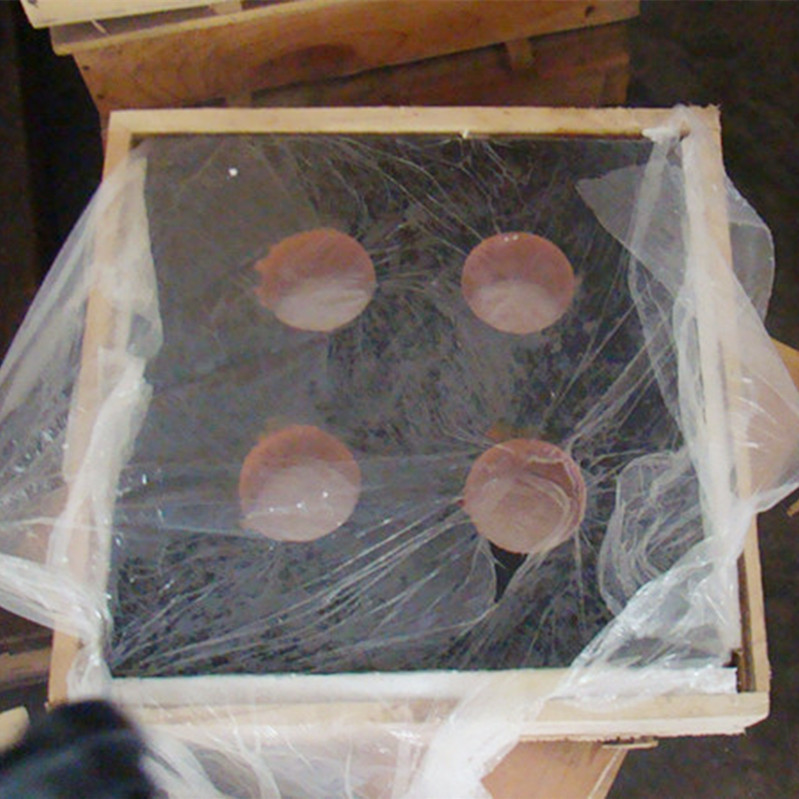
Understanding Surface Plate Prices Factors and Considerations Surface plates are essential tools in various industries, including manufacturing, engineering, and quality control. They serve as a reference plane for precision measurement and inspection of components, ensuring that parts are manufactured to exact specifications. With the increasing demand for quality assurance and precision in production, the market for surface plates has grown significantly. However, a crucial aspect of acquiring a surface plate is understanding its pricing. In this article, we'll explore the factors that contribute to the price of surface plates and what considerations buyers should keep in mind. Material Specifications The price of a surface plate is primarily influenced by the material from which it is made. Common materials used in the manufacturing of surface plates include granite, cast iron, and composite materials. Each of these options has different cost implications. 1. Granite Surface Plates These are the most popular and widely used type of surface plates. Granite is valued for its rigidity, stability, and resistance to wear. The price of granite surface plates can vary significantly depending on the grade of granite, the thickness of the plate, and its overall size. Higher-quality granite with fewer imperfections will command a higher price. 2. Cast Iron Surface Plates While typically more affordable than granite, cast iron surface plates are durable and stable. They are often used for heavier machinery or in environments where durability is a concern. The cost will also depend on the machining process and the overall finish of the plate. 3. Composite Surface Plates These are made from a blend of materials, providing certain advantages in weight and thermal stability. While they may often be less expensive than granite counterparts, their pricing is influenced by the specific materials used in the composite and their intended application. Size and Thickness Surface plates come in various sizes, from small desktop plates to large industrial models. Naturally, larger plates require more material and are generally more expensive. Additionally, the thickness of the plate plays a role in its cost. Thicker plates provide more stability and durability, making them ideal for rigorous industrial environments, but they also come at a higher price. Precision and Tolerance surface plate price Precision measurement is paramount when selecting a surface plate. The accuracy of measurements can be affected by the surface plate's flatness and overall quality. Surface plates are rated by their tolerance levels. Higher tolerance levels (i.e., finer flatness) result in a more precise tool but also increase the price. Buyers must consider the required precision for their specific applications and be willing to invest in the appropriate surface plate. Brand and Manufacturer Reputation Like many other industrial tools, the reputation of the manufacturer can significantly influence surface plate prices. Established brands that have a long history of quality and reliability may charge a premium for their products. However, investing in a reputable brand often ensures better quality, customer support, and warranty options. For businesses that rely heavily on precision measurement, this investment can lead to savings over time by reducing errors and improving operational efficiency. Customization and Features Some buyers may require customized surface plates designed for specific applications or features. This customization can greatly affect the price. Additional features, such as built-in measuring scales, vibration isolation systems, or enhanced finishes for better durability, can also increase costs. It’s essential for buyers to assess their needs to determine if the added expense is justified. Market Trends and Supply Chain Factors Lastly, it's crucial to consider market trends and external factors affecting the supply chain. Economic conditions, raw material availability, and manufacturing costs can all contribute to fluctuations in surface plate prices. Buyers should stay informed about industry developments to make well-timed purchasing decisions. Conclusion The price of surface plates varies widely based on several factors, including material type, size, precision, manufacturer reputation, customization, and market conditions. Buyers should carefully consider their specific needs and the importance of precision measurement in their operations. Investing in a high-quality surface plate can lead to significant benefits in accuracy and efficiency, ultimately contributing to improved product quality and customer satisfaction. By understanding the cost dynamics associated with surface plates, businesses can make informed decisions, ensuring they choose the right tool for their precise measuring and inspection needs.
-

High quality industrial productsagement

High quality industrial products
View Details -

Meet the diverse needs of customers

Meet the diverse needs of customers
View Details -

Strict quality control

Strict quality control
View Details -

Top raw materials

Top raw materials
View Details -

Trusted supplier

Trusted supplier
View Details
Our application
news and information
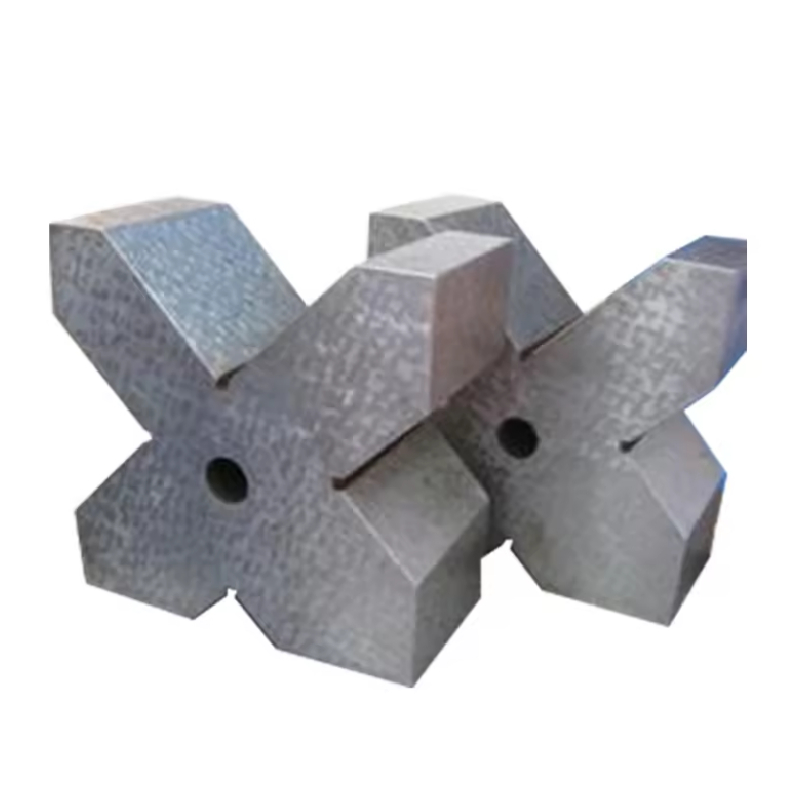
welding table
The Importance of Welding Tables in Metal Fabrication Welding plays a crucial role in various indust
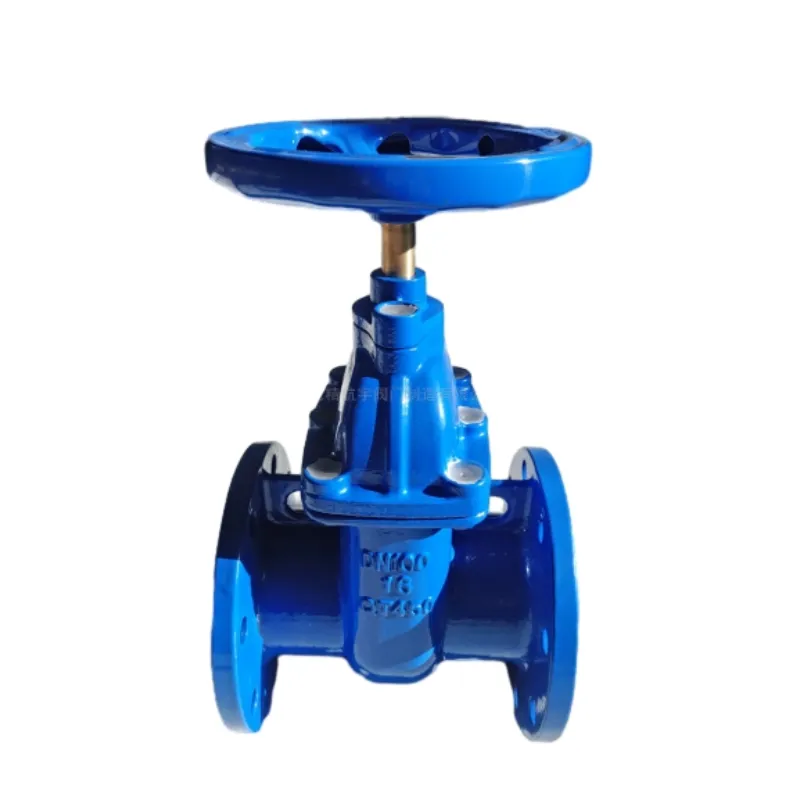
water valve gate
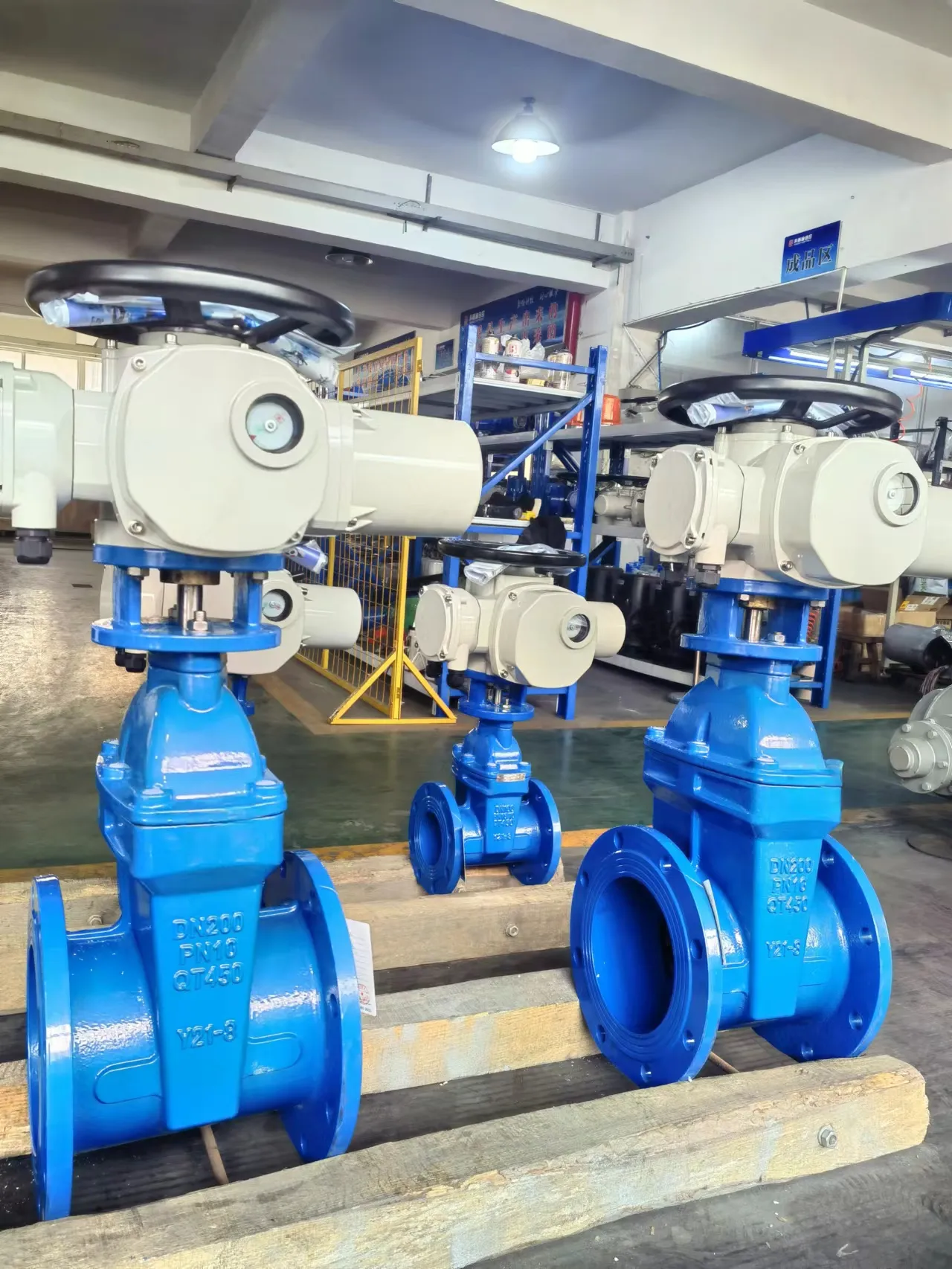
Understanding Water Valve Gates Their Functionality and Importance Water management is critical in v

vanne de porte
Les vannes sont des composants essentiels dans les systèmes de tuyauterie et de distribution de flui
 English